
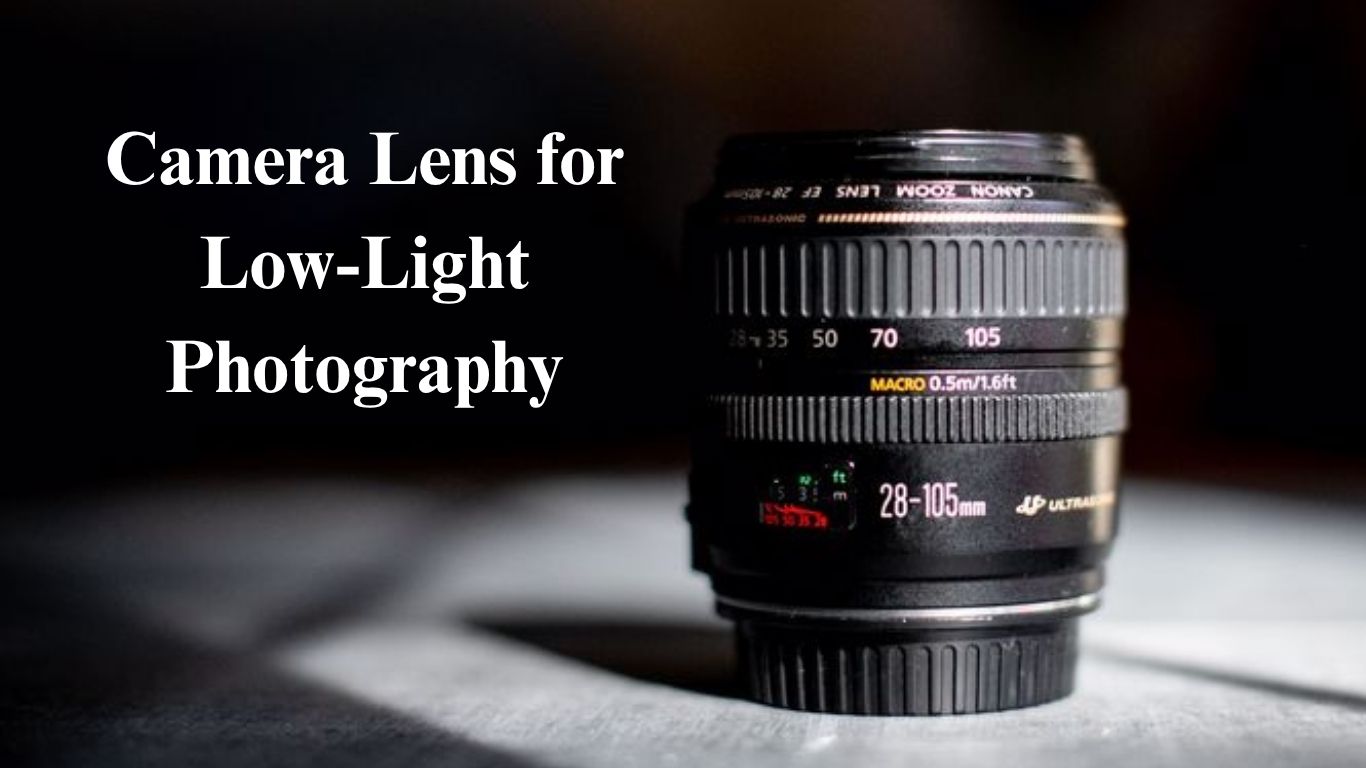
If you want the best camera lens for low-light photography, the right choice is usually a fast prime lens with a wide maximum aperture, such as f/1.2, f/1.4, or f/1.8. These lenses let in more light, help keep ISO lower, and make it easier to get clean, sharp images in dark environments.
Low-light photography can be challenging, but the right lens can completely change your results. When you are shooting indoors, at night, at weddings, or in dimly lit environments, a lens with a wide aperture helps you capture brighter, sharper images with less noise. That is why many photographers prefer fast prime lenses such as 50mm, 35mm, and 85mm options. These lenses not only improve exposure but also create beautiful background blur and stronger subject separation. In this post, we’ll look at some of the best camera lens for low-light photography across different brands, budgets, and shooting styles. Whether you are a beginner looking for an affordable option or a professional seeking premium performance, this roundup will help you choose the right lens for cleaner, more creative photos in challenging lighting conditions.
Why Camera lens choice matters in low-light Photography
A lens affects low-light performance in three major ways:
- Maximum aperture: A wider aperture lets in more light, which helps you use faster shutter speeds and lower ISO.
- Focal length: Wider or standard focal lengths like 35mm and 50mm are often more versatile for low-light work, while 85mm is excellent for portraits.
- Autofocus performance: In dim conditions, a lens with strong autofocus can make a big difference in getting sharp results.
In practice, the most useful low-light lenses are usually prime lenses because they are brighter and often sharper wide open than zoom lenses. Zooms can still be useful, but they usually cannot match the light-gathering ability of f/1.2 or f/1.4 primes.
Top 10 Camera Lens for low-light photography
Below are ten highly relevant lenses that stand out for low-light photography use. The list includes premium options, practical favourites, and budget choices.
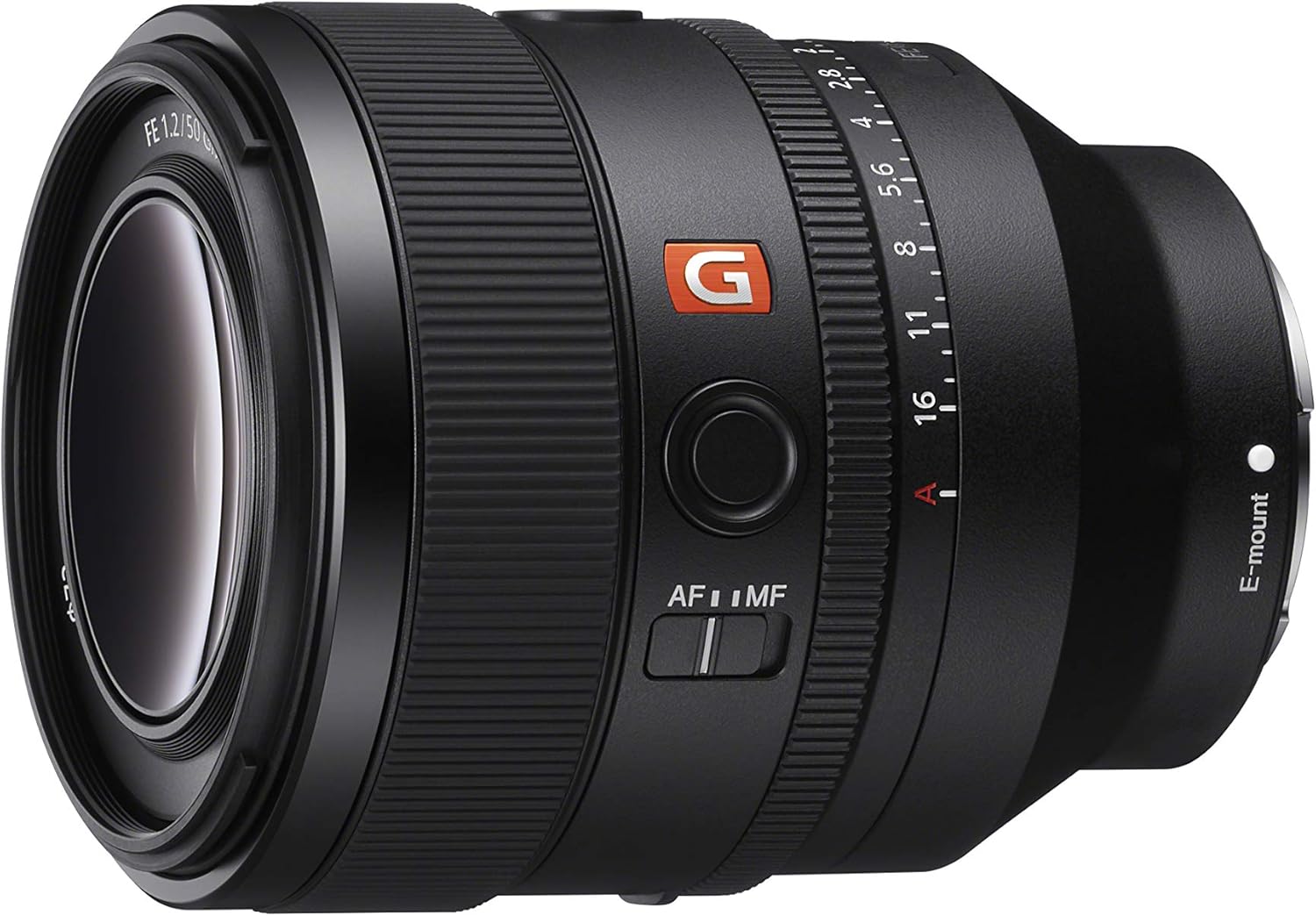
1. Sony FE 50mm F1.2 GM
This is one of the strongest all-around low-light lenses for Sony users. The Sony FE 50mm F1.2 GM excels in low-light photography thanks to its ultra-wide f/1.2 aperture, allowing more light to reach the sensor and reducing the need for high ISO settings. This results in cleaner, noise-free images even in dim environments. The lens maintains impressive sharpness wide open and produces beautiful background blur, while advanced coatings minimise flare and ghosting in night scenes.
Pros
- Extremely bright f/1.2 aperture.
- Excellent autofocus in low-light.
- Sharp results are wide open.
- Great for portraits and general low-light work.
Cons
- Very expensive.
- Heavier and larger than a standard prime.
- Overkill for casual users.
- Not the most flexible focal length for every situation.
2. Canon RF 50mm F1.2L USM
This is a flagship Canon portrait and low-light camera lens. It is especially good for indoor work, events, and portrait photography where subject isolation matters. It delivers sharp, detailed images with minimal noise, reducing reliance on high ISO settings. The lens produces smooth, creamy bokeh, ideal for portraits and night scenes. Its advanced optics and coatings help control flare and ghosting, ensuring clear results in challenging lighting. Built with L-series quality, it offers reliability and professional performance.

Pros
- Huge light-gathering ability.
- Strong low-light focusing.
- Excellent portrait rendering.
- Premium build quality.
Cons
- Expensive.
- Heavy.
- Can be more lenses than a casual shooter needs.
- Not ideal for very tight spaces.
3. Sigma 35mm F1.2 DG DN Art
This is a favourite for photographers who want an environmental portrait or street photography camera lens with low-light strength. The Sigma 35mm F1.2 DG DN Art is exceptional for low-light photography, featuring a fast f/1.2 aperture that captures maximum light for brighter, cleaner images in dim environments. It delivers outstanding sharpness even wide open, along with smooth, cinematic bokeh. Advanced optical elements and coatings help reduce flare and ghosting in night scenes, while its robust build ensures reliability. This lens is ideal for photographers who demand high resolution and creative control in challenging lighting conditions.

Pros
- Ultra-fast f/1.2 aperture.
- Strong, sharp, wide open.
- Great for street, events, and portraits.
- Excellent subject separation.
Cons
- Large and heavy.
- Price is high.
- A shallow depth of field requires careful focusing.
- Not as compact as many users expect from a 35mm lens.
4. Canon RF 85mm F1.2L USM
This is one of the best portrait lenses for low-light. The 85mm focal length and f/1.2 aperture create conditions that allow maximum light intake for brighter, cleaner images in dim environments. It delivers remarkable sharpness and stunning subject isolation, making it perfect for portraits and night scenes. Advanced optics help minimise flare and ghosting, while its L-series build ensures durability and reliability. This lens provides professional-level performance with beautiful bokeh and excellent detail even in challenging lighting conditions.

Pros
- Outstanding portrait look.
- Very strong low-light performance.
- Gorgeous background blur.
- Excellent for weddings and formal portraits.
Cons
- Very expensive.
- Big and heavy.
- Less useful for general photography.
- Can be difficult in tight indoor spaces.
5. Sony FE 85mm F1.4 GM / GM II
The Sony FE 85mm F1.4 GM and Sony FE 85mm F1.4 GM II are excellent for low-light photography, thanks to their wide f/1.4 aperture that allows more light for brighter, cleaner images in dim conditions. Both lenses deliver exceptional sharpness, smooth bokeh, and strong subject separation, making them ideal for portraits and night scenes. Advanced coatings reduce flare and ghosting, while fast autofocus ensures reliable performance, even when shooting in challenging lighting environments.

Pros
- Bright f/1.4 aperture.
- Beautiful bokeh.
- Fast and accurate autofocus.
- Great for portraits and events.
Cons
- Still expensive.
- Less light than f/1.2 options.
- 85mm can feel restrictive indoors.
- Not the most compact lens.
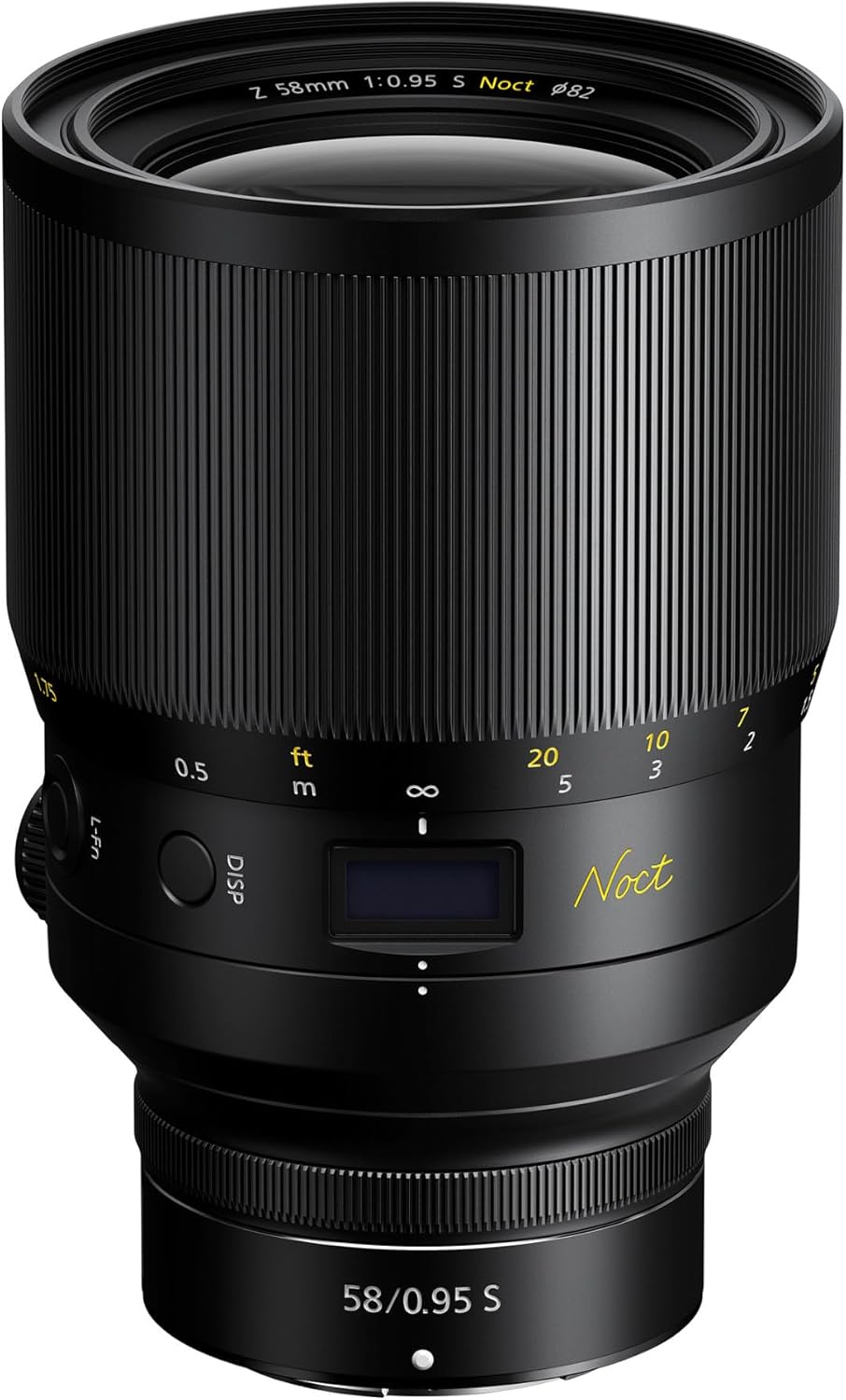
6. Nikon NIKKOR Z 58mm f/0.95 S Noct
The Nikon NIKKOR Z 58mm f/0.95 S Noct is a powerhouse for low-light photography, featuring an ultra-fast f/0.95 aperture that gathers extraordinary light for bright, detailed images in near darkness. It produces stunning subject isolation with incredibly smooth bokeh, making it ideal for artistic portraits and night scenes. Its advanced optical design minimises aberrations and flare, ensuring clarity and contrast. Although manual focus, it offers precise control for photographers seeking ultimate creative performance in challenging lighting conditions.
Pros
- Extremely bright f/0.95 aperture.
- Excellent for night scenes.
- Beautiful rendering.
- Very high-end optical design.
Cons
- Manual focus only.
- Very expensive.
- Heavy and niche.
- Not beginner-friendly.
7. Sigma 35mm F1.4 DG DN Art
This is a strong value option for users who want great low-light performance without paying top-tier f/1.2 prices. The Sigma 35mm F1.4 DG DN Art is a strong performer for low-light photography, featuring a bright f/1.4 aperture that allows ample light for clear, detailed images in dim conditions. It delivers excellent sharpness, natural contrast, and pleasing bokeh, making it ideal for street, portrait, and night photography. Advanced optical elements help control flare and ghosting, while its fast, quiet autofocus ensures reliable performance when shooting in challenging lighting environments.

Pros
- Excellent sharpness.
- Great low-light usefulness.
- More affordable than f/1.2 lenses.
- Versatile 35mm field of view.
Cons
- Less light than f/1.2 lenses.
- Still fairly large.
- Not as dramatic in subject separation.
- Not the cheapest option available.
8. Canon EF 50mm f/1.8 STM
The Canon EF 50mm f/1.8 STM is an affordable and lightweight lens ideal for low-light photography. It features a wide f/1.8 aperture that allows more light to enter, producing brighter images in dark environments. It delivers pleasing background blur, good sharpness, and reliable autofocus performance for portraits and street photography. Despite its budget price, it remains popular among beginners and professionals for its versatility and strong low-light capability. It is a classic choice for everyday photography and video use today.

Pros
- Very affordable.
- Lightweight and compact.
- f/1.8 is still very useful in low light.
- Good for beginners.
Cons
- Basic build quality.
- Autofocus is not premium.
- No weather sealing.
- Less refined than higher-end lenses.
9. Canon RF 50mm F1.8 STM
The Canon RF 50mm F1.8 STM is a compact and affordable camera lens that performs well in low-light photography thanks to its f/1.8 aperture, which allows more light to enter the camera sensor. It produces sharp images with pleasant background blur, making it great for portraits, street scenes, and everyday shooting in dim environments. The lens is lightweight, easy to carry, and offers smooth autofocus, making it an excellent entry-level option for photographers using Canon RF-mount cameras in challenging lighting conditions.

Pros
- Low price.
- Compact size.
- Good for everyday shooting.
- Useful for portraits and indoor scenes.
Cons
- Less premium build.
- Not as bright as f/1.2 lenses.
- Limited compared to pro-grade primes.
- Autofocus is not as advanced as top-end options.
10. Meike 85mm f/1.8
The Meike 85mm f/1.8 is a solid budget-friendly camera lens for low-light photography, offering a bright f/1.8 aperture that lets in enough light to shoot in dim environments without heavily increasing ISO. It produces pleasing background blur, making subjects stand out beautifully in portraits and night scenes. Sharpness is good in the centre even at wide open, while edge softness can add a dreamy effect. Autofocus is usable but not the fastest, so steady shooting works best. Overall, it delivers strong value for low-light portrait work.

Pros
- Affordable.
- Portrait-friendly focal length.
- Good subject separation.
- Useful for indoor low-light portraits.
Cons
- Less refined autofocus.
- Build quality is more basic.
- Optical performance may lag behind premium brands.
- Not as bright as f/1.4 or f/1.2 lenses.
Mount-Specific Recommendations
Best Lens for Sony E-Mount:
Sony E-mount users have particularly strong options in the fast prime category. Beyond the flagship Sony FE 50mm F1.2 GM, the Sony FE 85mm F1.4 GM / GM II and Sigma lenses provide excellent alternatives. The Sony ecosystem has attracted serious lens manufacturers because Sony’s mirrorless platform became established early, creating robust third-party support.
For Sony E-mount users seeking a low-light lens for a mirrorless camera specifically, the combination of Sony’s native fast primes and strong Sigma/Tamron third-party options means you’re unlikely to lack for choices. Whether you prioritise ultimate performance or value, Sony’s mount ecosystem offers viable paths at multiple price points.
Best Lens for Canon RF Mount:
Canon’s newer RF mount has attracted premium lens development, and the RF 50mm F1.2L USM and RF 85mm F1.2L USM are genuine flagship tools. Canon also offers the more affordable RF 50mm F1.8 STM for budget-conscious shooters. The low-light lens for the Canon RF mount category is currently dominated by fast L-series primes positioned as premium tools.
Canon has been more conservative about releasing mid-range fast primes compared to Sony, so RF mount users often choose between premium f/1.2 glass or budget f/1.8 options, with fewer choices at the f/1.4 middle ground.
Best Lens for Nikon Z Mount:
Nikon’s Z mount strategy emphasises the specialised Nikon NIKKOR Z 58mm f/0.95 S Noct for ultimate low-light capability, though it’s manual focus only. For autofocus users seeking a low-light lens for Nikon Z mount, the options are more limited than Canon or Sony, which has driven some Nikon shooters to third-party options or continued use of older F-mount glass with adapters.
This represents a current gap in Nikon’s lineup, as there’s no native autofocus f/1.2 or f/1.4 50mm or 85mm prime. Nikon users serious about low-light work often adapt older Sigma Art glass or commit to manual focus with the Noct.
Low-Light Photography by Camera Lens Use Case
Best Camera Lens for Wedding Photography in Low-Light:
Wedding venues frequently present some of the most challenging low-light scenarios: dimly lit receptions, moody ambient lighting, and candlelit ceremonies. For the best lens for wedding photography in low-light, the ideal choice balances fast aperture with reliable autofocus and practical focal lengths.
The Canon RF 85mm F1.2L USM and Sony FE 85mm F1.4 GM II are popular among wedding photographers for their 85mm framing and strong low-light AF. The Sigma 35mm F1.4 DG DN Art is favoured by photographers who want more environmental context. The key is fast autofocus combined with apertures of f/1.4 or faster, fast enough to work comfortably in dim venues while maintaining critical focus on the bride’s eyes or groom’s expression.
Best Portrait Lens for Low-Light:
Dedicated portrait shooting often happens in controlled settings, which can actually allow for slightly slower apertures than event work requires. The best portrait camera lens for low-light photography prioritises rendering and subject separation over maximum light-gathering. The 85mm focal length remains the traditional choice, and either the Canon RF 85mm F1.2L USM or Sony FE 85mm F1.4 GM II will deliver exceptional results.
For photographers who want to work at 50mm, the Sony FE 50mm F1.2 GM or Canon RF 50mm F1.2L USM offer premium rendering and very strong autofocus. The Meike 85mm f/1.8 works well for photographers prioritising value, though optical rendering won’t match premium alternatives.
Best Camera Lens for Indoor Low-Light Photography:
Indoor situations span from dimly lit homes and apartments to offices and commercial spaces. The best lens for indoor low-light photography needs versatility and a reasonable focal length. A 35mm prime offers more framing flexibility in tight indoor spaces than 50mm or 85mm lenses, making the Sigma 35mm F1.4 DG DN Art or Sigma 35mm F1.2 DG DN Art popular choices.
The 50mm options work as well if you have space to step back, but professional photographers often prefer 35mm for indoor event work where repositioning between shots is limited.
Night Street Photography and Astrophotography:
Night street photography demands fast autofocus, relatively compact size, and versatile focal lengths—making the Sigma 35mm F1.4 DG DN Art or Sigma 35mm F1.2 DG DN Art ideal choices. The 35mm focal length is standard for street work, and the ability to work at f/1.4 or f/1.2 allows fast shutter speeds to freeze motion while keeping ambient noise low.
For a lens for astrophotography and low-light, the priorities shift slightly: manual focus is often preferable because autofocus can hunt indefinitely against a starfield, and ultra-wide apertures become more valuable. The Nikon NIKKOR Z 58mm f/0.95 S Noct is designed for this explicitly. Wider focal lengths like 24mm or 35mm are also popular for astro, allowing larger portions of the sky into the frame.
Sharp Lens for Dim Light with Strong Autofocus:
The combination of sharpness and autofocus reliability is critical for working photographers. The sharp lens for the dim light category emphasises lenses that maintain optical performance wide open, many affordable fast primes sacrifice quality at maximum aperture. The Sony FE 50mm F1.2 GM, Canon RF 50mm F1.2L USM, and Sigma 35mm F1.2 DG DN Art are all known for genuinely excellent sharpness at f/1.2, which is unusual.
For the lens with the best autofocus in low-light, the Sony and Canon flagships both excel, as do the newer mirrorless systems generally. The Sigma lenses are strong performers but may not match the absolute speed of Sony or Canon native glass in the lowest light.
Best Zoom Lens for Low-Light:
While this guide emphasises primes, which inherently offer wider apertures, some photographers need zoom flexibility. The best zoom camera lens for low-light reality is that no zoom lens matches the aperture range of fast primes, but some modern fast zooms like the Sony FE 24-70mm F2.8 GM and Canon RF 24-70mm F2.8L are constant-aperture zooms that work reasonably well in low-light compared to variable-aperture alternatives.
However, if low-light is your priority, a fast prime will always outperform a zoom lens of the same price point. The choice between zoom and prime often comes down to shooting style: event photographers often prefer the versatility of zooms, while portrait and street photographers prioritise the faster apertures that primes offer.
Affordable Camera Lens for Low-Light Photography:
Budget-conscious photographers need an affordable lens for low-light photography without compromising basic performance. The Canon EF 50mm f/1.8 STM, Canon RF 50mm F1.8 STM, and Meike 85mm f/1.8 represent the realistic options, each under $200 in most markets. These aren’t premium tools, but they deliver meaningful low-light improvement over slow kit lenses.
A more expensive but still reasonably priced option is the Sigma 35mm F1.4 DG DN Art, which often sells around $500 and represents stronger optical performance than the budget options while remaining far more affordable than f/1.2 flagships.
How to Choose Your Low-Light Lens
Selecting the right camera lens for low-light photography requires balancing several competing priorities:
1: Aperture First:
- Start with aperture size. An f/1.2 or f/1.4 prime will fundamentally outperform an f/1.8 in low-light, period. The question is whether the extra cost and size are justified by your shooting scenarios. If you frequently work in very dim conditions (candlelit venues, nightclubs, street photography after dark), f/1.2 or f/1.4 is worth the investment. If you primarily shoot indoors with basic ambient light, f/1.8 may be sufficient.
2: Mount Compatibility:
- Your camera system dictates which lenses are available. Sony E-mount users have the most choices currently, followed by Canon RF and then Nikon Z. This reality might influence whether you prioritise maximum aperture or other optical characteristics; sometimes, your ideal lens simply doesn’t exist for your mount.
3: Focal Length and Use Case:
- The best fast prime lens for low-light for wedding work (85mm) differs from the best for street photography (35mm) or general indoor use (50mm). Match focal length to your primary shooting scenario. If you need a single versatile lens, 35mm is more flexible than 50mm or 85mm.
4: Budget Constraints:
- Fast primes range from under $200 to over $3000. There are meaningful steps in optical performance and autofocus speed at each price tier, but also diminishing returns. A $400 Sigma 35mm F1.4 makes a tremendous difference over a kit lens, but the jump from a $1500 lens to a $3000 lens might represent just 10-15% practical performance gain.
5: Autofocus Performance:
- If you shoot events, video, or any situation where focus speed and reliability matter, prioritise lenses with proven low-light autofocus. This usually means newer mirrorless native glass over older adapted lenses, and branded glass over some third-party options.
6: Size and Weight:
- Consider your actual workflow. A 58mm f/0.95 is exceptional but effectively manual focus only and extremely heavy. For all-day work, size and weight matter more than maximum theoretical performance.
Common buyer mistakes
A lot of photographers make the same mistakes when shopping for a low-light lens:
- Buying a lens that is too slow, such as an f/4 zoom, when they actually need a wider aperture.
- Choosing a focal length that does not match their shooting style.
- Ignoring autofocus quality and only looking at aperture.
- Overpaying for a premium lens when a cheaper f/1.8 lens would meet their needs.
- Forgetting to check compatibility with their camera mount.
Conclusion
In conclusion, the best camera lens for low-light photography is usually a fast prime lens with a wide aperture, such as f/1.2, f/1.4, or f/1.8. These lenses allow more light to reach the sensor, which helps you shoot at faster shutter speeds, lower ISO settings, and with better overall image quality in dark environments. For portrait photographers, 85mm and 50mm lenses are often the strongest choices, while 35mm lenses are ideal for street, event, and documentary work. Premium options deliver the best performance, but budget-friendly 50mm f/1.8 lenses remain excellent for beginners and casual users. The right choice ultimately depends on your camera mount, budget, and shooting style. If you want the most flexibility and the strongest results in dim conditions, prioritise aperture first, then autofocus performance, then focal length.
Frequently asked questions
Q1: What makes a camera lens good for low-light photography?
A wide maximum aperture is the most important factor. Lenses with f/1.2, f/1.4, or f/1.8 apertures let in more light and work much better in dim conditions.
Q2: Is a prime lens always better than a zoom lens for low-light?
Not always, but prime lenses usually have wider apertures and better low-light performance. That is why they are often preferred for portraits, weddings, and street photography.
Q3: Is f/1.4 enough for low-light photography?
Yes, f/1.4 is excellent for many low-light situations. It gives a strong balance of brightness, sharpness, and practical usability.
Q4: What is the best budget camera lens for low-light photography?
A 50mm f/1.8 lens is usually the best budget choice. It is affordable, compact, and significantly better in low-light than most kit zoom lenses.
Q5: Which focal length is best for low-light portraits?
85mm is one of the best portrait focal lengths because it gives a flattering perspective and strong background blur. A 50mm lens is also a very versatile option.