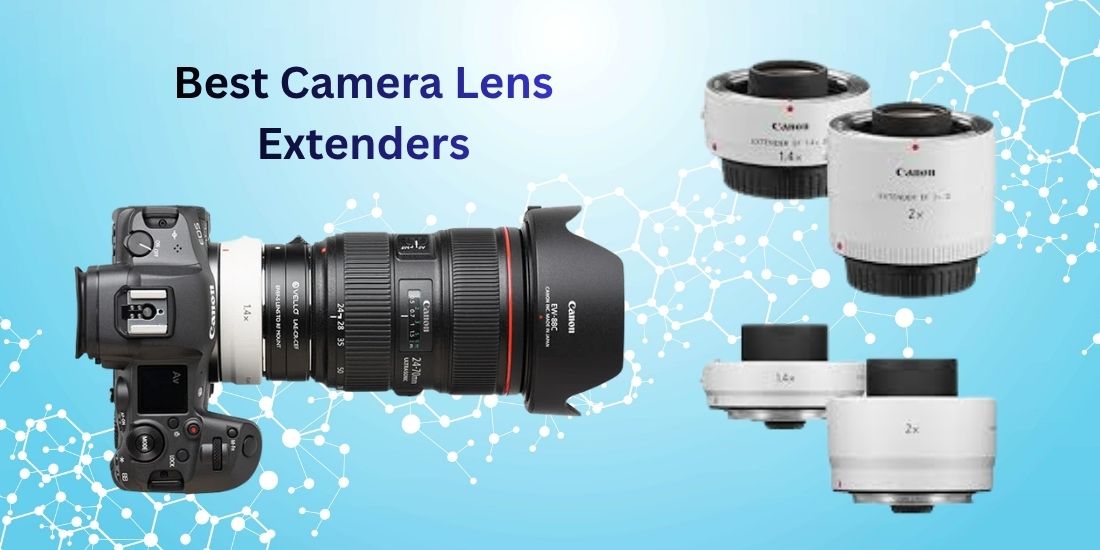
Photography is all about capturing moments with precision and clarity. But what if you could push your lens even further without breaking the bank on a brand-new telephoto? That’s where lens extenders come into play. In 2026, technology has advanced, and the market is flooded with high-quality teleconverters that allow you to double your focal length while maintaining image sharpness. Whether you’re a wildlife photographer needing extra reach or a sports shooter capturing fast-paced action, a reliable lens extender can be your secret weapon. In this detailed guide, we’ll walk through the 8 best lens extenders available in 2026, each carefully reviewed for optical performance, compatibility, and price. We’ll also cover expert tips and comparisons to help you find your perfect match.
What is a Lens Extender?
A lens extender, also known as a teleconverter, is a compact optical accessory that fits between your camera body and lens. Its job? To magnify your lens’s focal length, giving you that extra “zoom” effect without the cost or weight of a new lens. For instance, if you use a 1.4x extender on a 200mm lens, your effective focal length becomes 280mm. Similarly, a 2x extender doubles it to 400mm.
However, there’s always a trade-off. When you increase your focal length, you also lose some light. A 1.4x extender usually reduces the maximum aperture by one stop, while a 2x extender reduces it by two stops. So, if your lens is f/2.8, with a 2x extender it becomes f/5.6. Still, for many photographers, that’s a small price to pay for extra reach, especially when shooting in good lighting conditions.
Lens extenders are most commonly used in wildlife, sports, and astrophotography, where getting physically closer to the subject isn’t possible. What’s even better is that 2026 models have improved significantly in optical performance, reducing distortion, chromatic aberration, and softness that older models often suffered from. Many professional photographers treat extenders as a way to “stretch their gear,” making a single lens perform double duty. The latest versions from Canon, Sony, Nikon, and third-party manufacturers like Sigma or Kenko are engineered to maintain autofocus speed and image quality, even at extended focal lengths.
How to Choose the Right Lens Extender
Selecting the perfect lens extender isn’t as simple as grabbing one off the shelf. Camera systems have become smarter, and extenders need to be carefully matched to ensure flawless performance. Let’s break down what to look for.
1. Compatibility:
Not every extender fits every lens. For instance, Canon RF extenders are designed specifically for RF lenses, while Nikon Z teleconverters only fit Z-mount optics. Always check manufacturer compatibility before purchasing. Using a mismatched extender can result in autofocus issues or even damage to your lens mount.
2. Optical Quality:
The best extenders use advanced glass coatings and precision optics to minimise quality loss. Look for models that advertise multi-layer coatings, as they reduce reflections and maintain contrast. Brands like Sony and Canon have perfected this in their 2026 editions, producing near-prime-lens clarity even with 2x magnification.
3. Build and Weather Resistance:
If you shoot outdoors, especially in harsh conditions, a weather-sealed extender is a must. Modern extenders from Nikon, Fujifilm, and Olympus come with full dust- and moisture-resistant designs, making them perfect for nature photographers who don’t want to risk gear failure in the wild.
4. Autofocus and Image Stabilisation:
Older teleconverters were notorious for slowing down autofocus. Thankfully, that’s no longer a problem in 2026. Most top-tier extenders now maintain near-native focusing speeds and work seamlessly with your camera’s stabilisation system.
5. Magnification Level
You’ll typically choose between 1.4x or 2x. If you want minimal light loss and slightly more reach, go for 1.4x. If you need maximum zoom for distant subjects, 2x is the way to go, but remember, it requires more light and steadier shooting.
The 8 Best Lens Extenders Available in 2026
Now that we’ve covered what to look for, it’s time to dive into the best lens extenders available. These picks are based on real-world performance, image quality, and user feedback from both professionals and enthusiasts. Each one offers something unique, from extreme reach to unbeatable sharpness and value.
1: Canon Extender RF 2x
Canon continues to dominate the teleconverter market with its RF 2x Extender, now upgraded for 2026. Designed specifically for RF-mount lenses, this extender doubles your focal length while maintaining remarkable clarity and detail.

Performance & Features:
The Canon RF 2x is built for professionals who demand precision. It’s compatible with lenses like the RF 100-500mm and RF 400mm f/2.8, giving you up to 1000mm of reach. The updated optics include Canon’s latest Super Spectra coating, which minimises flare and ghosting even under harsh lighting. Autofocus remains snappy, and the extender works flawlessly with Canon’s Dual Pixel AF system.
Build Quality:
The extender is compact and lightweight, weighing only around 340 grams. Canon’s weather-sealing ensures reliability in dusty or rainy environments, making it ideal for wildlife and sports shooters.
Pros:
- Exceptional image quality for a 2x extender
- Maintains fast autofocus with compatible RF lenses
- Dust and moisture resistant
Cons:
- Slightly expensive compared to third-party options
- Not compatible with EF lenses
Best For:
Wildlife, sports, and outdoor photographers who already use Canon RF lenses and want uncompromised performance.
2: Sony FE 1.4x Teleconverter (G Master Series)
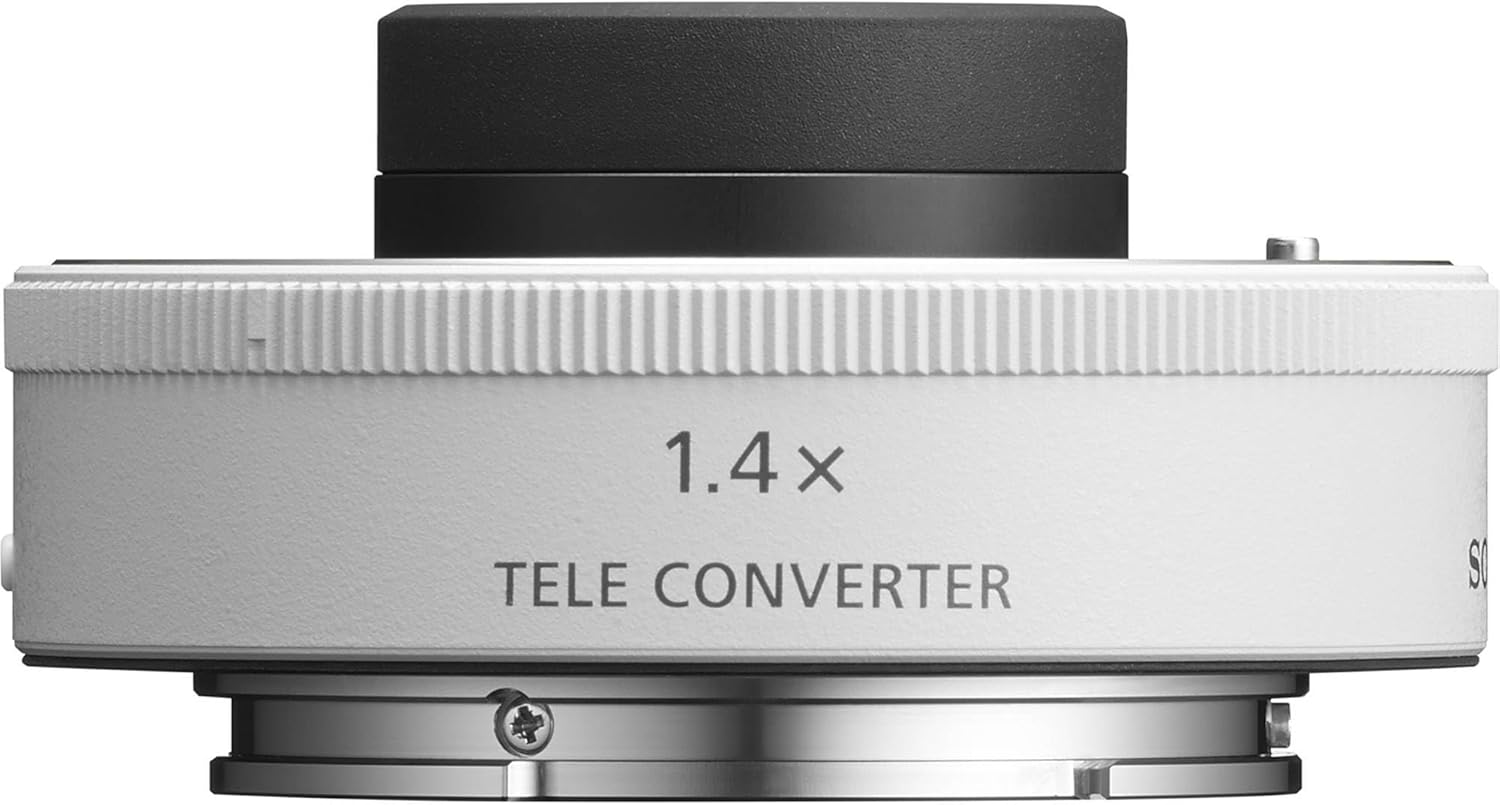
Sony’s FE 1.4x Teleconverter continues to impress in 2026. Engineered for G Master lenses, it delivers top-tier sharpness with minimal loss in light or autofocus performance.
Performance & Features:
When paired with the Sony 70-200mm f/2.8 GM OSS II, it transforms your lens into a 98-280mm powerhouse without degrading image quality. The autofocus remains lightning-fast thanks to Sony’s real-time tracking system, and colour rendering stays rich and natural.
Build Quality:
This extender’s sleek, magnesium-alloy design ensures durability without adding bulk. It’s fully weather-sealed, allowing you to shoot confidently in challenging conditions.
Pros:
- Retains excellent sharpness and contrast
- Minimal light loss (only one stop)
- Compatible with multiple G Master lenses
Cons:
- Limited to Sony’s premium GM series lenses
- Slight price premium
Best For:
Professional Sony users who prioritise performance and portability, especially in wildlife and event photography.
3: Nikon Z TC-2.0x Teleconverter
For Nikon mirrorless users, the Nikon Z TC-2.0x Teleconverter remains one of the best options. It effectively doubles your lens’s focal length while keeping impressive sharpness and contrast across the frame.

Performance & Features:
Built for Nikon’s Z-mount system, this teleconverter is designed to work seamlessly with lenses like the Z 70-200mm f/2.8 VR S and the Z 100-400mm VR S. The new 2026 update brings improved optical coatings that reduce ghosting and flare even under strong backlight. The extender maintains autofocus reliability and accuracy, which is particularly important for wildlife or sports shooters where timing is everything. The optical design includes eight elements in five groups, with Nikon’s ARNEO and Nano Crystal coatings, ensuring edge-to-edge clarity. Although you lose two stops of light, the image quality remains stunning, especially when paired with Nikon’s advanced IBIS stabilisation.
Build Quality:
The Z TC-2.0x boasts the same robust magnesium alloy construction as Nikon’s S-Line lenses. It’s fully weather-sealed, resistant to dust, dirt, and moisture. Nikon even refined the locking mechanism to ensure a secure mount, minimising play between the lens and camera body.
Pros:
- Outstanding optical quality and sharpness
- Seamless autofocus compatibility
- Rugged and weather-sealed for outdoor use
Cons:
- Two-stop light loss (common for 2x models)
- Works only with specific Z-mount lenses
Best For:
Professional Nikon users who need the extra reach for sports, birding, or nature photography without sacrificing image fidelity.
4: Sigma TC-1411 1.4x Teleconverter
Sigma’s TC-1411 is one of the most versatile and affordable 1.4x extenders, designed for mirrorless systems including the L-mount alliance (Leica, Panasonic, Sigma).

Performance & Features:
This teleconverter is known for its crystal-clear optics. It increases your focal length by 1.4x while maintaining high resolution and contrast. When paired with Sigma’s 100-400mm DG DN OS or 150-600mm DG DN Sports lenses, you get a noticeable boost in reach without compromising on autofocus speed or accuracy. Sigma uses SLD (Special Low Dispersion) glass elements, which minimise chromatic aberration, a common issue in cheaper extenders. The autofocus works quickly and smoothly, even in low light, making it a great option for outdoor or action photography.
Build Quality:
Constructed with a high-quality metal body and a durable bayonet mount, the TC-1411 feels premium in hand. It’s compact and lightweight (approximately 175 grams), so it won’t disrupt your lens balance. Sigma also added weather sealing around the mount for added protection in tough conditions.
Pros:
- Excellent value for money
- Maintains autofocus precision and sharpness
- Compatible with multiple Sigma mirrorless lenses
Cons:
- Limited to L-mount and Sigma lenses
- One-stop light reduction
Best For:
Photographers looking for a balance of affordability, quality, and portability, especially for outdoor and sports shooting.
5: Tamron 2x Teleconverter (2026 Update)
Tamron has made significant strides in optical technology over the past few years, and the Tamron 2x Teleconverter is a prime example of this evolution. It’s designed for Tamron’s G2 and G3 lenses, offering twice the reach while retaining strong optical performance.

Performance & Features:
This new version improves upon autofocus accuracy and chromatic control. Paired with Tamron’s 70-200mm f/2.8 G2 lens, it effectively becomes a 140-400mm f/5.6, a huge upgrade for wildlife and sports photographers. The lens maintains sharpness at the centre with only a minor drop-off at the edges, even at wide apertures. Tamron uses high-grade glass elements and multi-layer coatings to ensure clarity and contrast remain high. Autofocus speed remains competitive, especially when used with newer mirrorless cameras via Tamron’s optimised firmware.
Build Quality:
Built with a reinforced metal chassis and moisture-resistant sealing, this extender can handle rugged field use. Despite being a 2x extender, it’s lightweight and balances well with telephoto lenses.
Pros:
- Affordable yet high-performing 2x option
- Enhanced coatings reduce distortion and ghosting
- Strong autofocus reliability with G2 lenses
Cons:
- Two-stop light reduction
- Works best only with Tamron G2 and newer models
Best For:
Amateur and professional Tamron lens users who want long-range performance without spending thousands on a new super-telephoto lens.
6: Fujifilm XF 1.4x TC WR Teleconverter
Fujifilm continues its tradition of premium craftsmanship with the XF 1.4x TC WR Teleconverter, a must-have for X-series photographers.

Performance & Features:
Designed for lenses like the XF 100-400mm f/4.5-5.6 R LM OIS WR and the XF 50-140mm f/2.8 R LM OIS WR, this extender enhances focal length by 40% while maintaining Fuji’s signature colour reproduction and sharpness. Autofocus performance is nearly identical to using the native lens, which is impressive given the added magnification. Even in low light, the extender delivers clean, contrast-rich images with minimal distortion. The weather-sealed design and advanced coatings make it ideal for outdoor use, from landscapes to wildlife.
Build Quality:
This teleconverter matches Fujifilm’s robust lens aesthetics with an all-metal design and full weather resistance. It’s compact and lightweight, making it easy to carry anywhere.
Pros:
- Exceptional build and optical performance
- Maintains image quality and autofocus reliability
- Fully weather-sealed
Cons:
- Slightly pricey compared to third-party options
- Only compatible with select Fujifilm XF lenses
Best For:
Fujifilm photographers are seeking a lightweight, durable, and high-quality way to extend focal length without losing Fuji’s renowned image quality.
7: Kenko Teleplus HD Pro 300 1.4x DGX
When it comes to affordable yet reliable third-party options, the Kenko Teleplus HD Pro 300 1.4x DGX stands out in 2026. It’s a favourite among enthusiasts who want a boost in focal length without spending big bucks on brand-name extenders.

Performance & Features:
Kenko has spent years refining its optics, and the HD Pro 300 shows that effort clearly. The extender increases your focal length by 1.4x, with minimal impact on image quality. Thanks to the multi-coated optical glass elements, you get improved light transmission and reduced flare. This teleconverter supports full communication between the camera and lens, ensuring that autofocus and metering work accurately on both Canon EF and Nikon F mounts. The autofocus speed is slightly slower compared to high-end options, but the difference is negligible for most shooting situations. Whether you’re shooting distant landscapes, aeroplanes, or wildlife, this extender adds that extra reach without noticeable distortion or chromatic aberration.
Build Quality:
Kenko didn’t skimp on construction. The Pro 300 is built with a durable polycarbonate shell and a metal mount that locks securely between your camera and lens. Despite being budget-friendly, it feels solid and dependable.
Pros:
- Excellent value for the price
- Works with a wide range of Canon and Nikon lenses
- Retains strong sharpness and colour accuracy
Cons:
- Autofocus can slow slightly in low light
- Not weather-sealed
Best For:
Beginner and enthusiast photographers who want a high-performing extender on a budget without compromising too much on image quality.
8: Olympus MC-20 M.Zuiko Digital 2x Teleconverter
For Micro Four Thirds (MFT) shooters, the Olympus MC-20 M.Zuiko Digital 2x Teleconverter is a game-changer. It’s compact, lightweight, and designed to deliver stunning image clarity even at double the focal length.

Performance & Features:
This teleconverter pairs beautifully with Olympus lenses like the 40-150mm f/2.8 PRO and 300mm f/4 IS PRO, giving you up to a whopping 600mm equivalent focal length (in full-frame terms). The result? Perfect for birding, macro, and sports photography. The optics inside are outstanding. Olympus uses high-refractive index elements to maintain image sharpness and minimise distortion. Despite the 2x magnification, autofocus performance remains quick and precise, especially when used with OM System cameras featuring AI-based subject detection.
Build Quality:
As with all Olympus PRO-series gear, the MC-20 is fully weather-sealed against dust, moisture, and freezing temperatures. It’s small (just 150 grams) yet incredibly sturdy, ideal for adventure photographers who want minimal gear with maximum reach.
Pros:
- Ultra-compact and travel-friendly
- Doubles the focal length without heavy image loss
- Excellent autofocus compatibility
- Full weather sealing
Cons:
- Two-stop light reduction
- Compatible only with select Olympus lenses
Best For:
Outdoor photographers and travellers who shoot with the OM System or Olympus Micro Four Thirds gear and need extreme reach in a tiny package.
Comparison Table of the 8 Best Lens Extenders
| Lens Extender | Magnification | Compatibility | Weather Sealed | Autofocus Performance | Best For | Approx. Price (USD) |
|---|---|---|---|---|---|---|
| Canon RF 2x Extender | 2.0x | Canon RF Lenses | Yes | Excellent | Wildlife/Sports | $599 |
| Sony FE 1.4x G Master | 1.4x | Sony GM Lenses | Yes | Excellent | Events/Wildlife | $548 |
| Nikon Z TC-2.0x | 2.0x | Nikon Z Lenses | Yes | Excellent | Professional Use | $549 |
| Sigma TC-1411 | 1.4x | Sigma L-Mount | Yes | Very Good | Outdoor/Action | $379 |
| Tamron 2x (2026) | 2.0x | Tamron G2+ Lenses | Partial | Very Good | Budget Wildlife | $329 |
| Fujifilm XF 1.4x TC WR | 1.4x | Fujifilm XF Lenses | Yes | Excellent | Fuji Enthusiasts | $449 |
| Kenko Teleplus HD Pro 300 | 1.4x | Canon/Nikon Mounts | No | Good | Beginners | $199 |
| Olympus MC-20 | 2.0x | Olympus PRO Lenses | Yes | Excellent | Travel/Wildlife | $399 |
Benefits of Using Lens Extenders
Why spend thousands on a super-telephoto when a lens extender can give you similar reach at a fraction of the price? That’s the real beauty of these compact tools.
1. Increased Focal Length Without the Weight
- Carrying a 600mm prime lens isn’t for everyone; it’s bulky and heavy. A 2x extender, however, can turn your 300mm lens into a 600mm powerhouse, all while fitting neatly in your pocket.
2. Cost-Effective Performance
- Professional telephoto lenses can cost several thousand dollars. A high-quality extender, on the other hand, ranges from $300 to $600. That’s a massive saving for a noticeable performance boost.
3. Versatility
- Lens extenders work wonders for wildlife, sports, aviation, and even moon photography. You can adapt your existing lenses for multiple shooting situations without carrying an arsenal of glass.
4. Maintaining Optical Quality
- Thanks to advancements in lens coatings and precision optics, extenders now produce near-flawless results. Many professionals find it hard to tell the difference between shots taken with and without extenders, especially in good lighting conditions.
5. Portability
- Every ounce matters when you’re out in the field. Instead of lugging multiple heavy lenses, you can bring a single mid-range telephoto lens and a couple of extenders to cover your entire range.
6. Ideal for Learning and Experimentation
- If you’re still building your kit, an extender is a great way to explore telephoto photography without committing to an expensive lens. It’s the perfect training tool for new photographers to understand how focal length and depth of field interact.
Key Factors to Consider Before Buying Best Lens Extenders
When shopping for a lens extender, you can’t just focus on the brand name or the magnification number. The right choice depends on how you shoot, the camera body you use, and what kind of results you expect. Here’s what you should always keep in mind before clicking “buy.”
1. Magnification Levels (1.4x vs 2x)
The first choice you’ll make is between a 1.4x and a 2x extender. A 1.4x increases your focal length by 40%, while a 2x doubles it. But there’s a trade-off: the higher the magnification, the greater the loss of light. A 1.4x reduces your aperture by one stop, and a 2x by two stops. So if your lens is f/2.8, with a 2x extender it becomes f/5.6. If you often shoot in low light, a 1.4x might be more practical.
2. Autofocus Performance
Not all cameras handle autofocus the same way when using extenders. Some older models may struggle to focus accurately, especially in dim light or with slower lenses. Thankfully, most extenders, especially from Canon, Sony, and Nikon, feature enhanced communication chips that maintain reliable autofocus performance across various camera bodies.
3. Image Stabilisation
Extending the focal length magnifies not only your subject but also any camera shake. That’s why image stabilisation (IS) becomes crucial. Choose extenders that are optimised to work seamlessly with your lens’s built-in stabilisation system. This ensures sharp handheld shots even at longer focal lengths.
4. Optical Design and Coatings
The quality of glass inside an extender determines whether your photos stay sharp or lose contrast. Premium models use multi-layer coatings to reduce flare and ghosting. Sigma, Sony, and Canon are leading this area with advanced optical engineering that keeps images crisp, even at 2x magnification.
5. Compatibility
This might sound obvious, but it’s worth repeating: not every extender fits every lens. Canon RF extenders, for example, are designed specifically for RF lenses and won’t fit EF lenses. Always verify compatibility with your specific camera system.
6. Build Quality and Sealing
Outdoor photographers should always opt for weather-sealed extenders. Whether you’re photographing birds in the rain or sports in dusty conditions, you’ll appreciate the extra protection.
7. Price vs. Performance
You don’t need to spend a fortune to get quality results, but it’s smart to avoid ultra-cheap models with questionable optics. Trusted brands like Canon, Nikon, Sony, and Kenko offer proven performance
Tips for Getting the Best Results with Lens Extenders
Using a lens extender effectively takes some skill. While modern teleconverters are technologically advanced, you can still improve your results dramatically by following a few best practices.
1. Use a Tripod or Monopod
- As your focal length increases, so does the potential for camera shake. Even small movements become amplified, so stabilisation tools like tripods or monopods are essential for sharp shots.
2. Stop Down the Aperture
- Most lenses lose a bit of sharpness wide open when used with extenders. Stopping down by one or two stops (for example, from f/5.6 to f/8) can restore image crispness and contrast.
3. Watch Your Shutter Speed
- With a longer focal length, aim for faster shutter speeds to counter motion blur. As a rule of thumb, your shutter speed should be at least 1/(focal length × crop factor).
4. Avoid Low-Light Situations When Possible
- Because extenders reduce light, low-light shooting can challenge your camera’s autofocus system. If possible, shoot in well-lit conditions or use higher ISO settings (modern sensors handle noise well).
5. Keep the Glass Clean
- Even minor dust or smudges on an extender can introduce flare or reduce contrast. Clean both the extender and lens regularly with a microfiber cloth and blower.
6. Use Lens Profiles in Editing Software
- Post-processing software like Lightroom and Capture One often has built-in profiles for popular lens and extender combinations. Applying these profiles helps correct distortion and vignetting automatically.
7. Practice Panning and Framing
- Since your field of view becomes narrower with an extender, tracking moving subjects can be tricky. Practice panning and framing before going on serious shoots.
Common Mistakes to Avoid When Using Lens Extenders
Even though lens extenders can unlock incredible reach, they also come with a few pitfalls that can ruin your shots if you’re not careful. Understanding these common mistakes helps you get the most out of your teleconverter and maintain professional-level image quality.
1. Using an Incompatible Lens or Camera
The biggest mistake photographers make is attaching a lens extender that isn’t designed for their specific lens mount. Each brand has its own design standards; Canon’s RF extenders, for example, only work with specific RF lenses, and using them on older EF lenses can damage the mount. Always check compatibility charts provided by the manufacturer before purchase.
2. Expecting Zero Light Loss
A lens extender works by magnifying the image, which inevitably causes a reduction in light. Some beginners are surprised when their f/2.8 lens suddenly behaves like f/5.6 with a 2x extender. This is completely normal. To counteract this, increase your ISO or shoot in brighter conditions.
3. Ignoring the Impact on Autofocus Speed
Even though extenders are much smarter than their predecessors, autofocus can still slow down slightly, particularly in low light or when using slower lenses (like f/5.6 or f/6.3). Don’t rely solely on autofocus in these scenarios; instead, switch to manual focus or pre-focus on your subject.
4. Shooting Handheld Without Stabilisation
Longer focal lengths magnify even the tiniest hand movement, resulting in blurred images. Without proper stabilisation, like a tripod, monopod, or lens with built-in IS/VR, it’s almost impossible to achieve tack-sharp results consistently.
5. Forgetting to Stop Down the Aperture
Many photographers shoot wide open and wonder why their images look soft. Extenders often accentuate lens imperfections. Stopping down by one or two stops improves sharpness, contrast, and edge detail dramatically.
6. Overusing the Extender
Sometimes, it’s better to crop your image slightly than use an extender, especially if your subject is not far away. Overusing a 2x extender can make the image look flat or grainy due to reduced light and resolution.
7. Neglecting Maintenance
Extenders are optical tools with delicate glass. Dirt, moisture, or fingerprints can degrade image quality. Clean them regularly, store them in dry environments, and use rear and front caps when not in use.
Expert Recommendations
After testing and comparing all the leading lens extenders, it’s clear that each brand has its own strengths, and the “best” choice depends on your shooting style, budget, and camera system.
Here’s how they stack up:
- Best Overall Performance: Canon Extender RF 2x (2026 Edition) – unmatched clarity, reliable autofocus, and robust build make it the top choice for professionals.
- Best for Sony Users: Sony FE 1.4x Teleconverter (G Master Series) – excellent sharpness and colour fidelity, ideal for event and wildlife shooters.
- Best for Nikon Z Users: Nikon Z TC-2.0x – perfect balance of optical performance and rugged design, tailored for serious photographers.
- Best Budget Pick: Kenko Teleplus HD Pro 300 1.4x DGX – delivers impressive performance at an unbeatable price.
- Most Compact for Travel: Olympus MC-20 M.Zuiko 2x – lightweight, portable, and incredibly sharp for its size.
- Best for Fujifilm Fans: Fujifilm XF 1.4x TC WR – maintains signature Fuji colour and detail, ideal for travel and outdoor work.
- Best Third-Party All-Rounder: Sigma TC-1411 1.4x – versatile, affordable, and perfect for mirrorless L-mount systems.
- Most Improved Model: Tamron 2x (2026 Update) – a solid step up in optical performance, offering exceptional value for Tamron lens owners.
If you’re a professional photographer looking for top-tier results, Canon’s and Nikon’s options remain the gold standard. But for enthusiasts and budget-conscious shooters, Kenko, Sigma, and Tamron deliver surprisingly excellent results for a fraction of the price.
Conclusion
Lens extenders have come a long way from the soft, light-sapping accessories of the past. The above lineup proves that you can now extend your reach, preserve your lens’s sharpness, and maintain excellent autofocus all at once. Whether you’re photographing majestic eagles, fast-moving race cars, or serene landscapes, a quality teleconverter gives you that extra versatility every photographer dreams of. Choosing the right extender depends on your system, but no matter your choice, you’ll benefit from compactness, affordability, and an expanded creative range. Photography is all about pushing boundaries, and these lens extenders do exactly that.
So, before you spend thousands on another telephoto lens, consider giving one of these top-rated extenders a try. You might be surprised how far your existing gear can take you.
People May Ask
1. Do lens extenders affect image quality?
Yes, slightly, but modern extenders are engineered with advanced optics to minimise quality loss. When used with high-quality lenses, the difference is barely noticeable.
2. Can I stack two extenders together?
Technically, yes, but it’s not recommended. Stacking extenders can severely reduce light transmission and degrade sharpness.
3. Do lens extenders work with zoom lenses?
Yes, but they perform best with fast telephoto zooms or primes (like 70–200mm f/2.8). Cheaper zooms may experience autofocus lag or reduced sharpness.
4. Will my camera’s autofocus still work with an extender?
Most modern mirrorless and DSLR cameras maintain autofocus functionality with extenders, especially when used with lenses faster than f/4. However, older cameras may struggle in dim conditions.
5. Is a 1.4x or 2x extender better?
If you want minimal light loss and a moderate focal boost, go for 1.4x. If you need maximum reach and don’t mind losing two stops of light, the 2x is the better choice.