
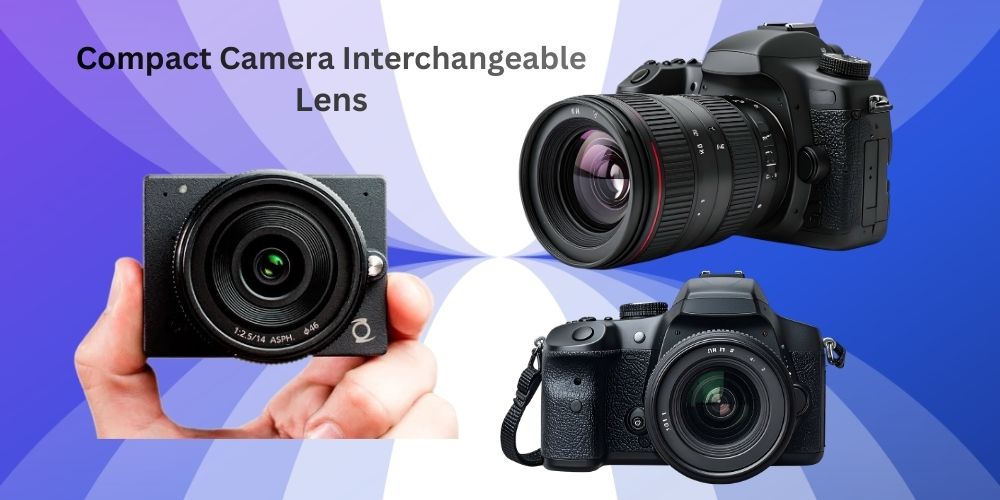
The world of photography has changed dramatically over the past decade, and at the centre of this transformation sits the compact camera interchangeable lens system. Once upon a time, photographers had to choose between bulky DSLRs and simple point-and-shoot cameras with limited creative control. Today, compact interchangeable lens cameras bridge that gap beautifully. They offer professional-level image quality, creative flexibility, and advanced features, all packed into a body that doesn’t feel like a brick hanging from your neck. If you’ve ever wished for a camera that’s powerful enough for serious photography but small enough to take everywhere, this category is probably already on your radar. These cameras are designed for photographers who value portability without compromising performance. Whether you’re a traveller, content creator, street photographer, or even a professional looking for a lightweight secondary body, compact interchangeable lens cameras deliver an impressive balance.
What makes them truly special is freedom. Freedom to swap lenses based on your shooting style, freedom to explore creative angles, and freedom from heavy gear bags. As technology continues to evolve, these cameras are no longer “alternatives” to DSLRs; they’re often the smarter choice. In this guide, we’ll explore everything you need to know about compact camera interchangeable lens systems, from how they work to why they’re shaping the future of photography.
Understanding What a Compact Interchangeable Lens Camera Really Is
At its core, a compact interchangeable lens camera is exactly what the name suggests: a compact-sized camera body that allows you to change lenses. Unlike traditional compact cameras with fixed lenses, these systems give you the flexibility to adapt your camera to different shooting scenarios. At the same time, they are significantly smaller and lighter than most DSLR setups.
Evolution from Point-and-Shoot to Advanced Compacts:
Photography began with simple box cameras, evolved into film SLRs, and eventually gave rise to digital DSLRs. Meanwhile, compact cameras remained basic, catering to casual users. The turning point came when manufacturers realised photographers wanted high-quality images without bulky gear. Mirrorless technology played a huge role here, allowing camera bodies to shrink by removing the mirror mechanism found in DSLRs.
Compact interchangeable lens cameras are the result of this evolution. They combine advanced sensors, fast processors, and modern autofocus systems in a smaller form factor. The result is a camera that feels modern, responsive, and incredibly capable.
How They Differ from DSLRs and Fixed-Lens Compacts:
Compared to DSLRs, compact interchangeable lens cameras are lighter, quieter, and often faster when it comes to autofocus and burst shooting. They rely on electronic viewfinders or LCD screens rather than optical viewfinders, offering real-time exposure previews.
When compared to fixed-lens compact cameras, the difference is flexibility. A fixed-lens camera limits your creative choices, while an interchangeable lens system grows with you. You can start with a kit lens and gradually expand your collection as your skills develop.
Why Compact Interchangeable Lens Cameras Are Gaining Popularity
The rise in popularity of compact camera interchangeable lens systems isn’t accidental. It’s driven by changing lifestyles, new content creation trends, and the demand for versatile tools that fit into everyday life.
Portability Meets Professional Quality:
One of the biggest reasons photographers switch to compact interchangeable lens cameras is portability. Carrying a heavy DSLR setup can be exhausting, especially during travel or long shooting days. Compact systems reduce fatigue without sacrificing image quality. Despite their size, these cameras often feature large sensors, fast autofocus, and excellent dynamic range. In many cases, the image quality rivals or even surpasses older DSLR models.
Ideal for Travel, Street, and Everyday Photography:
Travel photography demands flexibility and discretion. Compact interchangeable lens cameras excel here. They don’t attract unwanted attention, making them perfect for street photography and candid moments. At the same time, they’re powerful enough to capture landscapes, portraits, and low-light scenes. For everyday photographers, these cameras encourage creativity. When your camera is small and easy to carry, you’re more likely to use it. And the best camera, as the saying goes, is the one you actually have with you.
Key Components of Compact Interchangeable Lens Cameras
To truly understand why these cameras perform so well, it helps to break down their key components.
1: Camera Body Design and Build:
Compact interchangeable lens camera bodies are designed with ergonomics in mind. Manufacturers carefully balance size reduction with a comfortable grip design. Many models use magnesium alloy or high-quality polycarbonate materials to keep weight down while maintaining durability. Weather sealing is increasingly common, allowing photographers to shoot in challenging conditions without worry. Despite their compact size, many bodies include customizable buttons and dials for manual control.
2: Interchangeable Lens Mount Systems:
The lens mount is the gateway to an entire ecosystem. Each manufacturer offers its own mount, designed specifically for mirrorless systems. These mounts often have shorter flange distances, enabling more compact lens designs and better optical performance. Adapters also allow photographers to use older DSLR lenses, extending the value of existing gear.
3: Sensor Types and Sizes:
Sensors are the heart of any camera. Compact interchangeable lens cameras typically use Micro Four Thirds, APS-C, or full-frame sensors. Each has its advantages, influencing image quality, depth of field, and low-light performance.
Micro Four Thirds Sensors:
Micro Four Thirds sensors are smaller than APS-C and full-frame sensors, but they offer excellent performance for most applications. The smaller sensor allows for more compact camera bodies and lenses, making the system highly portable. These sensors are ideal for travel, street photography, and video work. They also offer a greater depth of field, which can be beneficial for landscapes and documentary photography.
APS-C Sensors:
APS-C sensors strike a balance between size and performance. They provide excellent image quality, good low-light performance, and pleasing background blur. Many photographers consider APS-C the sweet spot for compact interchangeable lens cameras.
Full-Frame Compact Systems:
Full-frame compact interchangeable lens cameras deliver the highest image quality, with superior dynamic range and low-light performance. While lenses tend to be larger, the bodies remain relatively compact compared to traditional DSLRs.
4: Lens Ecosystem: The Heart of Interchangeable Lens Cameras
A camera is only as good as the lenses you put on it, and this is where compact interchangeable lens systems truly shine.
Prime Lenses vs Zoom Lenses:
Prime lenses offer superior sharpness and wider apertures, making them perfect for portraits and low-light photography. Zoom lenses provide versatility, allowing you to cover multiple focal lengths with a single lens.
Wide-Angle, Telephoto, and Macro Options:
From ultra-wide landscapes to detailed macro shots, the lens ecosystem supports every creative vision. Telephoto lenses are increasingly compact, making wildlife and sports photography more accessible.
Third-Party Lens Compatibility:
Many systems support third-party lenses, expanding choices and reducing costs. Brands like Sigma, Tamron, and others offer excellent alternatives to manufacturer lenses.
5: Autofocus, Speed, and Performance:
Modern compact interchangeable lens cameras are incredibly fast and responsive.
Phase Detection vs Contrast Detection:
Advanced autofocus systems combine phase detection and contrast detection for quick and accurate focusing. Face and eye detection have become standard, making portrait photography effortless.
Continuous Shooting and Burst Modes:
High burst rates allow photographers to capture fast-moving subjects with ease. Wildlife and sports photographers benefit greatly from these features.
Low-Light Performance:
Improved sensors and image processors ensure clean images even at high ISO settings, expanding creative possibilities in low-light environments.
Top Brands and Popular Models to Consider
When choosing a compact interchangeable lens camera, the brand you invest in matters just as much as the camera body itself. Each manufacturer brings its own strengths, whether it’s autofocus technology, colour science, video performance, or lens ecosystems. Below is a detailed look at the top brands dominating the compact interchangeable lens camera market, along with some of their most popular and reliable models to consider.
Sony
Sony is widely regarded as one of the strongest players in the compact interchangeable lens camera space. Its mirrorless systems are known for cutting-edge autofocus, excellent sensors, and outstanding video capabilities.
Popular Sony Models:
1: Sony Alpha a6400 – A compact APS-C camera with fast autofocus, excellent subject tracking, and solid 4K video, making it ideal for travel and content creation.

2: Sony Alpha a6700 – A powerful upgrade with improved stabilisation, advanced AI autofocus, and strong video features suited for hybrid shooters.
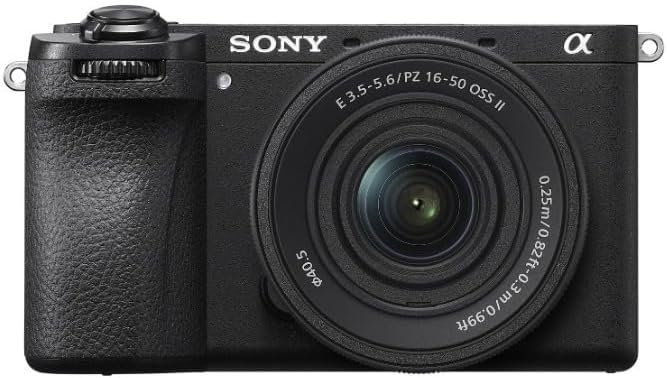
3: Sony Alpha a7 III – A full-frame favourite offering exceptional image quality, impressive low-light performance, and professional-level features in a relatively compact body.

4: Sony Alpha a7C – A compact full-frame camera designed for portability while maintaining the performance of the a7 series.

Why Choose Sony:
Sony’s extensive E-mount lens ecosystem, including third-party options, makes it easy to build a versatile kit. Its autofocus performance, particularly eye and subject tracking, is among the best available.
Canon
Canon has successfully transitioned into the compact interchangeable lens market with its RF and RF-S mirrorless systems. These cameras are well-known for pleasing colour science and intuitive controls.
Popular Canon Models:
1: Canon EOS R50 – A beginner-friendly APS-C camera with strong autofocus and excellent video features for its size.

2: Canon EOS R10 – A balanced hybrid camera offering fast burst shooting, reliable autofocus, and 4K video.

3: Canon EOS R8 – A compact full-frame option delivering impressive image quality and advanced autofocus in a lightweight body.

4: Canon EOS R6 Mark II – A professional-level camera with superb low-light performance and advanced video capabilities.

Why Choose Canon:
Canon’s Dual Pixel autofocus system excels in both photo and video, and its ergonomics are highly praised. The RF lens system continues to expand with high-quality options.
Nikon
Nikon’s compact interchangeable lens cameras combine strong image quality with excellent ergonomics. The Z-mount system is designed for superior optical performance.
Popular Nikon Models:
1: Nikon Z30 – A compact APS-C camera focused on vloggers and content creators, offering reliable video performance.

2: Nikon Z50 – A versatile camera with good image quality and comfortable handling, ideal for travel and everyday photography.

3: Nikon Z6 II – A full-frame camera offering excellent dynamic range, fast autofocus, and professional-level performance.

Why Choose Nikon:
Nikon cameras are known for natural image rendering and comfortable handling. The Z-mount allows for high-quality lenses, and adapters provide compatibility with older Nikon glass.
Fujifilm
Fujifilm stands out with its APS-C-focused approach and distinctive design philosophy. Its cameras are loved for their retro aesthetics, tactile controls, and film simulation modes.
Popular Fujifilm Models:
1: Fujifilm X-S20 – A compact hybrid camera with excellent video features, strong stabilisation, and modern autofocus.

2: Fujifilm X-T5 – A high-resolution APS-C camera offering outstanding image quality and traditional manual controls.

3: Fujifilm X100 Series (Fixed Lens Alternative) – While not an interchangeable lens, it’s worth noting for its popularity among street photographers.

Why Choose Fujifilm:
Fujifilm’s colour science and film simulations appeal to photographers who enjoy creative control straight out of the camera. Its APS-C lens lineup is one of the most complete on the market.
Panasonic
Panasonic has built a strong reputation for video-centric compact interchangeable lens cameras, particularly within the Micro Four Thirds system.
Popular Panasonic Models:
1: Panasonic Lumix G100 – A compact camera aimed at vloggers and beginners, offering solid video features.

2: Panasonic Lumix GH6 – A professional-grade video powerhouse with advanced codecs, excellent stabilisation, and robust build quality.

3: Panasonic Lumix G9 II – A hybrid camera offering strong photo performance alongside excellent video capabilities.

Why Choose Panasonic:
Panasonic cameras excel in video recording, stabilisation, and professional video tools. The Micro Four Thirds system also offers compact lenses ideal for travel and filmmaking.
Olympus / OM System
Now operating as OM System, Olympus continues to offer compact interchangeable lens cameras focused on portability, durability, and outdoor performance.
Popular OM System Models:
1: OM System OM-5 – A lightweight, weather-sealed camera perfect for outdoor and travel photography.

2: OM System OM-1 – A flagship Micro Four Thirds camera with excellent autofocus, rugged build, and professional features.

Why Choose OM System:
These cameras are known for exceptional in-body stabilisation, compact lens designs, and strong weather sealing, making them ideal for adventure photographers.
Choosing the Right Brand and Model:
When selecting a compact interchangeable lens camera, consider factors such as:
- Your primary use (photography, video, or both)
- Available lenses and accessories
- Budget and long-term system growth
- Ergonomics and user interface preferences
Each brand offers excellent options, and the best choice ultimately depends on your shooting style and creative goals. With today’s technology, any of these systems can deliver outstanding results in a compact and flexible form.
How to Choose the Right Compact Interchangeable Lens Camera
Choosing the right compact interchangeable lens camera starts with understanding your shooting needs and skill level. If you are a beginner, look for a user-friendly model with good autofocus, automatic modes, and a simple menu system. More advanced users should prioritise manual controls, customisation, and faster performance.
Next, consider sensor size and image quality. APS-C sensors offer an excellent balance between quality and portability, while full-frame cameras deliver superior low-light performance at a higher cost. Micro Four Thirds systems are ideal if portability is your top priority. Equally important is the lens ecosystem. Choose a system with a wide range of native and third-party lenses to ensure long-term flexibility.
Finally, think about video features, battery life, and ergonomics. A comfortable grip, reliable stabilisation, and future-proof features will ensure your camera remains a valuable creative tool for years to come.
Video Capabilities in Compact Interchangeable Lens Cameras
Compact interchangeable lens cameras have quietly become some of the most powerful video tools on the market. What once required bulky cinema rigs or high-end DSLRs can now be achieved with a lightweight, travel-friendly camera body and the right lens. From vloggers and YouTubers to documentary filmmakers and independent creators, these cameras are redefining how video content is produced. Let’s break down their video capabilities in detail and understand why they are such a strong choice for modern video production.
High-Resolution Video Recording: From Full HD to 4K and Beyond
One of the biggest reasons compact interchangeable lens cameras dominate the video space is their ability to record high-resolution footage. Most modern models support Full HD (1080p) at high frame rates, often up to 120fps or even 240fps, which is perfect for slow-motion effects.
However, 4K video recording has become the real standard. These cameras can record 4K at 24fps, 30fps, and in many cases 60fps, offering exceptional clarity and detail. Some advanced models even support oversampled 4K, where footage is captured at a higher resolution (such as 6K) and downsampled to 4K for sharper, cleaner results.
At the high end, certain compact interchangeable lens cameras now offer 5.7K, 6K, or even 8K video recording, pushing them firmly into professional territory. This allows creators more flexibility in post-production, including cropping, stabilising, or reframing footage without losing quality.
Advanced Video Codecs and Bitrates:
Video quality isn’t just about resolution; it’s also about how footage is recorded and compressed. Compact interchangeable lens cameras often support advanced codecs such as:
- H.264 and H.265 (HEVC) for efficient compression.
- All-Intra and Long GOP recording for different editing workflows.
- 10-bit internal recording on many mid-to-high-end models.
The availability of 10-bit colour depth is a game-changer. It allows cameras to capture over a billion colours, resulting in smoother gradients and far greater flexibility during colour grading. Paired with high bitrates, this ensures footage holds up even under heavy post-production adjustments.
Log Profiles and Cinematic Colour Science:
For creators who want cinematic results, compact interchangeable lens cameras deliver powerful colour tools. Many models include logarithmic gamma profiles such as S-Log, C-Log, V-Log, or F-Log, depending on the brand. These log profiles preserve maximum dynamic range, capturing more detail in highlights and shadows. This is especially useful in challenging lighting situations like bright outdoor scenes or high-contrast interiors. When combined with 10-bit recording, log footage provides professional-level colour grading potential.
Some cameras also include HLG (Hybrid Log Gamma) for HDR workflows, allowing content creators to produce HDR-ready video for modern displays without complex post-processing.
Autofocus Performance for Video:
Autofocus is one of the strongest advantages compact interchangeable lens cameras have over older video systems. Modern models feature hybrid autofocus systems that combine phase-detection and contrast-detection technology.
Key autofocus features include:
- Real-time face detection.
- Eye autofocus for humans and animals.
- Subject tracking with AI assistance.
These features are especially valuable for solo creators, vloggers, and run-and-gun filmmakers. The camera can smoothly track subjects while maintaining sharp focus, even during movement. Autofocus transitions are also customizable on many models, allowing users to control focus speed and sensitivity for more cinematic results.
In-Body and Digital Image Stabilisation:
Shaky footage can ruin an otherwise great video. Compact interchangeable lens cameras address this with advanced stabilisation systems. Many models feature in-body image stabilisation (IBIS), which physically shifts the sensor to counteract camera shake. This works with any attached lens, even older or manual lenses. When combined with optical stabilisation in lenses, the results can be remarkably smooth.
Additionally, some cameras offer electronic or digital stabilisation, which uses software correction to further smooth footage. While this may slightly crop the image, it’s incredibly effective for handheld shooting, vlogging, and walking shots.
Audio Controls and Professional Sound Support:
High-quality video demands high-quality audio, and compact interchangeable lens cameras are well-equipped in this area. Most models include:
- 3.5mm microphone input
- Manual audio level control
- On-screen audio meters
Higher-end cameras may also support headphone monitoring, allowing creators to listen to audio in real time. Some systems offer optional XLR adapters, enabling the use of professional microphones for interviews, documentaries, and film production. This level of audio control eliminates the need for external recorders in many situations, streamlining the video workflow.
Vlogging and Content Creation Features:
Compact interchangeable lens cameras are especially popular among vloggers and content creators, thanks to features designed specifically for solo shooting.
Common vlogging-friendly features include:
- Fully articulating or flip-out touchscreens.
- Compact and lightweight bodies.
- Reliable continuous autofocus.
- USB charging and power delivery.
- Vertical video recording support.
Some models even include product showcase modes, background defocus options, and real-time skin tone adjustments, making them ideal for YouTube, TikTok, and Instagram content.
Heat Management and Recording Limits:
Earlier compact cameras often struggled with overheating and recording limits. Modern compact interchangeable lens cameras have significantly improved in this area. Enhanced heat dissipation systems, improved processors, and optimised power management allow for longer continuous recording times. Many models now support unlimited recording, depending on temperature and memory capacity, making them suitable for interviews, live events, and long-form content creation.
External Recording and Live Streaming Capabilities:
For advanced workflows, many compact interchangeable lens cameras support clean HDMI output, allowing footage to be recorded externally using devices like Atomos recorders. This enables higher bitrates, RAW video recording, and extended recording times. Live streaming has also become a key feature. With USB webcam functionality and direct streaming support, these cameras are ideal for live broadcasts, webinars, and virtual events.
Why Compact Interchangeable Lens Cameras Excel at Video:
What truly sets these cameras apart is balance. They offer professional-grade video features without the size, weight, and complexity of traditional cinema cameras. The ability to swap lenses allows creators to adapt instantly to different shooting styles, from wide-angle vlogging to cinematic telephoto shots.
Whether you’re creating YouTube content, shooting short films, recording documentaries, or live streaming, compact interchangeable lens cameras provide a flexible, future-proof solution that continues to push the boundaries of what small cameras can achieve.
Compact Interchangeable Lens Cameras vs DSLRs
Compact interchangeable lens cameras, commonly known as mirrorless cameras, and DSLR cameras both offer excellent image quality, but they differ in design, size, and functionality. Mirrorless cameras eliminate the mirror mechanism found in DSLRs, allowing them to be significantly smaller and lighter. This makes them ideal for travel, street photography, and everyday use without compromising on performance.
DSLRs, on the other hand, feature an optical viewfinder that provides a real-time, lag-free view through the lens. They are typically larger and heavier but often offer more robust ergonomics and battery life. DSLRs usually have a wider range of lenses, especially for specialised photography like wildlife or sports, while mirrorless cameras are catching up with increasingly extensive lens lineups. Autofocus performance is another key difference. Mirrorless cameras often use on-sensor phase detection, allowing faster, more accurate autofocus during video recording and live view shooting. DSLRs still perform well, particularly in optical viewfinder mode, but mirrorless systems have made significant strides in speed and precision.
Ultimately, the choice depends on priorities. Mirrorless cameras excel in portability, advanced features, and video capabilities, while DSLRs remain strong for extensive lens options, battery life, and traditional photography ergonomics. Both systems now deliver professional-quality results.
Compact Interchangeable Lens Cameras vs Fixed Lens Compacts
Compact interchangeable lens cameras and fixed-lens compact cameras are designed for different types of photographers, and the choice depends on the balance between flexibility and simplicity. Interchangeable lens cameras allow users to change lenses, giving far greater creative control. You can switch from wide-angle lenses for landscapes to telephoto lenses for portraits or wildlife, making them suitable for long-term growth and varied photography styles. They also tend to feature larger sensors, better autofocus systems, and stronger low-light performance.
Fixed lens compact cameras, on the other hand, focus on convenience. They are smaller, lighter, and ready to shoot straight out of the pocket, with no need to carry extra lenses. This makes them ideal for casual users, everyday snapshots, and travel, where simplicity matters more than flexibility. However, their fixed focal length limits creative options, and upgrading usually means buying a completely new camera.
In terms of cost, fixed lens compacts are often cheaper upfront, while interchangeable lens systems can become more expensive over time. Overall, compact interchangeable lens cameras are best for photographers who want versatility and future expansion, while fixed lens compacts suit those who value ease of use and portability.
Best Use Cases for Compact Interchangeable Lens Cameras
Compact interchangeable lens cameras have earned their place as some of the most versatile tools in modern photography and video creation. They combine the flexibility of interchangeable lenses with lightweight, travel-friendly designs, making them suitable for a wide range of real-world scenarios. Whether you are a beginner exploring photography or a professional seeking a portable yet powerful system, these cameras adapt effortlessly to different creative needs. Below are the best and most practical use cases where compact interchangeable lens cameras truly shine.
1: Travel Photography:
Travel photography is arguably the most natural fit for compact interchangeable lens cameras. When you are on the move, navigating airports, hiking trails, or busy city streets, every gram matters. These cameras are significantly lighter and smaller than traditional DSLR setups, making them easier to carry all day without fatigue.
The ability to change lenses adds tremendous value while travelling. A wide-angle lens captures sweeping landscapes and architecture, while a compact zoom or prime lens handles street scenes and portraits. Many compact interchangeable lens cameras also offer weather sealing, allowing you to shoot confidently in rain, dust, or humid environments. Another major advantage is discretion. Smaller cameras attract less attention, which is especially helpful in unfamiliar locations. This allows photographers to blend in, capture authentic moments, and enjoy the journey without feeling weighed down by heavy gear.
2: Street Photography and Documentary Work:
Street photography thrives on spontaneity, and compact interchangeable lens cameras are perfectly suited for this style. Their small size and quiet operation make them less intimidating, encouraging natural expressions and candid moments.
Silent or near-silent shooting modes allow photographers to work discreetly, capturing genuine human interactions without disturbing the scene. Fast autofocus systems with face and eye detection help ensure sharp images even in unpredictable environments. Documentary photographers also benefit from the flexibility of interchangeable lenses. A single camera body paired with different lenses can adapt to tight indoor spaces, wide environmental shots, and intimate portraits, all without requiring system changes.
3: Portrait Photography:
While many people associate portrait photography with large cameras and studio setups, compact interchangeable lens cameras are more than capable of delivering professional-quality portraits. When paired with fast prime lenses, they produce beautiful background blur and sharp subject detail.
Advanced autofocus features, particularly eye detection, make portrait sessions smoother and more efficient. The camera can lock onto the subject’s eyes with remarkable accuracy, allowing photographers to focus on composition and connection rather than technical adjustments. These cameras are also less intimidating for subjects, which can lead to more relaxed expressions and natural poses. This makes them ideal for lifestyle portraits, family photography, and environmental portrait sessions.
4: Content Creation and Vlogging:
Compact interchangeable lens cameras are a favourite among vloggers, YouTubers, and social media creators. Their lightweight design, flip-out screens, and reliable autofocus make solo shooting far easier.
Many models offer high-quality 4K video, in-body stabilisation, and microphone inputs, enabling creators to produce polished content without complex setups. The ability to swap lenses allows for creative storytelling, wide-angle lenses for talking-head videos and tighter lenses for cinematic shots. USB charging, live streaming support, and vertical video recording further enhance their appeal for modern content creators who need flexible tools that fit fast-paced workflows.
5: Event and Wedding Photography:
Events and weddings demand versatility, speed, and reliability. Compact interchangeable lens cameras perform exceptionally well in these environments. Their fast autofocus, silent shooting modes, and excellent low-light performance make them ideal for capturing emotional moments without being disruptive.
Photographers can switch between lenses quickly to handle different scenarios—wide shots of the venue, candid moments on the dance floor, and close-up portraits of guests. The compact size also reduces fatigue during long events, allowing photographers to stay focused and creative throughout the day. For weddings, the quieter operation is a major advantage, especially during ceremonies where discretion is essential.
6: Everyday and Lifestyle Photography:
For everyday photography, compact interchangeable lens cameras strike the perfect balance between quality and convenience. They are small enough to carry regularly yet powerful enough to capture high-quality images of daily life.
Whether you are photographing family moments, pets, food, or casual outings, these cameras encourage creativity by being accessible and easy to use. Unlike smartphones, they offer superior image quality and creative control, while remaining far more portable than traditional professional cameras. This makes them an excellent choice for photographers who want better results than a phone but don’t want to commit to heavy equipment.
7: Nature, Landscape, and Outdoor Photography
Compact interchangeable lens cameras are increasingly popular among landscape and outdoor photographers. Their high-resolution sensors, wide dynamic range, and compatibility with ultra-wide and telephoto lenses make them capable of capturing stunning natural scenes.
Lightweight bodies are especially valuable for hiking, trekking, and outdoor adventures where carrying heavy gear is impractical. Weather-sealed models offer added confidence when shooting in unpredictable conditions such as rain, snow, or dust. With features like focus peaking, live exposure previews, and in-body stabilisation, these cameras help photographers achieve precise and sharp landscape images.
8: Learning Photography and Skill Development
For beginners and enthusiasts, compact interchangeable lens cameras provide an excellent platform for learning photography. They offer full manual controls, interchangeable lenses, and advanced features while remaining approachable and less intimidating than large DSLRs.
As skills grow, photographers can expand their lens collection and explore new genres without changing camera systems. This scalability makes compact interchangeable lens cameras a smart long-term investment for anyone serious about improving their photography.
9: Professional Backup and Secondary Cameras:
Many professionals use compact interchangeable lens cameras as backup or secondary bodies. Their compatibility with professional lenses, excellent image quality, and lightweight design make them reliable companions for primary camera systems.
In some cases, photographers even transition entirely to compact systems due to their performance and convenience. Having a
Maintenance, Accessories, and Care Tips
Proper maintenance and the right accessories are essential to keep a compact interchangeable lens camera performing at its best. With regular care, your camera can deliver consistent image quality and remain reliable for many years, whether used casually or professionally.
Essential Accessories:
A few key accessories greatly enhance usability and protection. Extra batteries and high-speed memory cards ensure uninterrupted shooting. A sturdy camera bag protects the body and lenses from dust, moisture, and impacts. Lens hoods help reduce flare while also providing physical protection, and a tripod adds stability for low-light, landscape, and video work. A quality UV or protective filter can safeguard the front element of your lens.
Cleaning and Storage:
Clean lenses regularly using a blower, microfiber cloth, and lens-cleaning solution. Avoid touching the sensor and use sensor cleaning only when necessary. Store your camera in a dry, cool place with silica gel to prevent moisture buildup and fungus.
General Care Tips:
Always update firmware to improve performance and fix bugs. Avoid frequent lens changes in dusty environments, keep caps on when not in use, and handle your camera gently to ensure long-term durability.
People May Ask
Question: Are compact interchangeable lens cameras good for beginners?
Answer: Yes, they are beginner-friendly, offer automatic modes, and allow users to grow skills with manual controls and interchangeable lenses.
Question: Can these cameras replace DSLRs completely?
Answer: Many photographers can offer similar image quality, better portability, advanced autofocus, and stronger video features.
Question: Are compact interchangeable lens cameras good for video?
Answer: Yes, most models support 4K video, strong autofocus, stabilisation, and professional audio options, making them ideal for content creation.
Question: Do interchangeable lenses increase overall cost?
Answer: Initially, yes, but they provide long-term value by improving versatility and allowing upgrades without replacing the entire camera system.
Question: Which type of photography suits these cameras best?
Answer: They excel in travel, street, portrait, event, and everyday photography due to their lightweight design and flexible lens options.